


Introduction: Comparing DIY vs. Pre-Stretched Canvases
In the world of art, canvases are the foundation on which creativity is expressed. Artists often face the decision of choosing between pre-stretched canvases and the option of stretching their own. The question arises: is it cheaper to make your own stretched canvas, or should one simply purchase from commercial sources? This article will delve into various aspects of DIY blank stretched canvas, exploring the potential cost benefits, customization opportunities, and satisfaction derived from taking on this artistic task.
● Benefits of Stretching Your Own Canvas
Stretching your own canvas offers a sense of fulfillment and autonomy in the creative process. By taking control of every step, artists can ensure a product that matches their exact specifications. This personal involvement allows for greater satisfaction, knowing that the entire process, from start to finish, is a testament to one’s craftsmanship.
● Limitations of Pre-Stretched Canvases
Pre-stretched canvases, while convenient, come with limitations in terms of size and quality. Often bound by standard dimensions, artists may find themselves constrained when attempting to execute expansive or uniquely shaped artworks. Additionally, the quality of mass-produced canvases may not always meet the discerning standards of some artists.
Cost Analysis: DIY Canvas vs. Pre-Stretched
When considering the economics of art supplies, many artists might wonder whether DIY blank stretched canvas options present a more cost-effective choice. The financial implications of choosing to stretch your own canvas can be significant, especially for those who frequently create large-scale works or require custom dimensions.
● Price Breakdown for Materials
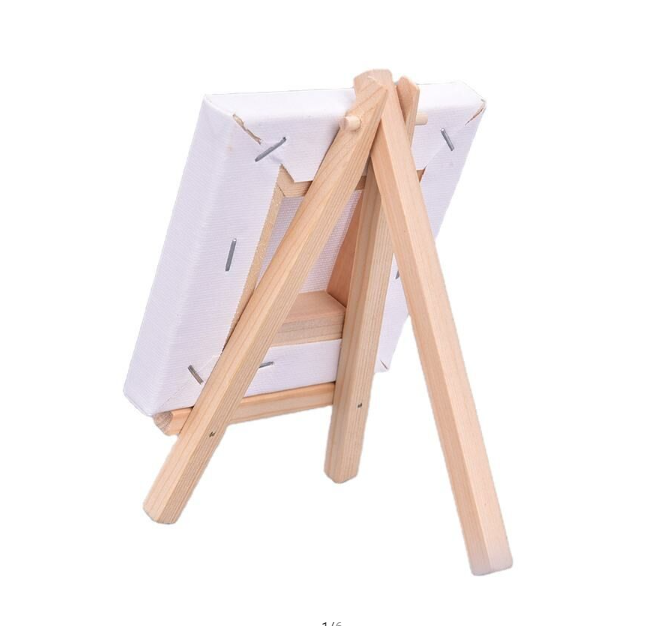
The cost of materials for a DIY blank stretched canvas includes canvas rolls, stretcher bars, and necessary tools such as staples and a staple gun. While there is an initial investment, purchasing materials in bulk from a wholesale DIY blank stretched canvas supplier can lead to substantial savings. By sourcing from a DIY blank stretched canvas manufacturer, artists can often acquire high-quality materials at lower costs compared to buying pre-stretched options.
● Long-term Savings Potential
Over time, the repetitive action of purchasing ready-made canvases for each project can add up. By investing in the skills and materials to stretch your own canvases, artists can reduce their expenditures significantly. This approach not only saves money but also ensures a steady supply of canvases tailored to personal preferences.
Customization: Size and Shape Flexibility
A significant advantage of DIY blank stretched canvas is the ability to customize both the size and shape according to specific needs. This flexibility is particularly beneficial for artists whose visions do not fit within the confines of standard canvas dimensions.
● Creating Non-Standard Canvas Sizes
DIY allows artists to break free from the constraints of standard sizes. Whether it’s a panoramic piece or a compact square, having control over canvas dimensions can inspire new forms of artistic expression. By consulting with a DIY blank stretched canvas factory, artists can even create entirely unique shapes for their work.
● Advantages for Unique Artistic Projects
For projects that demand innovation, the ability to shape canvases to individual requirements opens up avenues for creativity that are otherwise limited by pre-made options. This freedom fosters a more personal connection to the artwork and can enhance the overall creative process.
Quality Control: Material Selection
DIY blank stretched canvas provides artists with the ability to choose the materials that best serve their artistic intentions, ensuring that the quality meets personal standards.
● Choosing Your Canvas Fabric and Stretcher Bars
When opting for DIY, artists can select the type of canvas and stretcher bars that match their specific artistic needs. This selection process ensures that the final product is crafted using materials that uphold the durability and artistry required for their work. Collaborating with a reputable DIY blank stretched canvas supplier provides access to a variety of high-quality fabrics and frames.
● Ensuring Durability and Artistic Integrity
Having control over the materials used in their canvases allows artists to create pieces that maintain their aesthetic and structural integrity over time. This assurance is often lacking in pre-stretched canvases, where cost-cutting measures may compromise quality.
Skill Development: Learning a New Craft
Embracing the process of stretching your own canvas is not only a cost-effective measure but also an opportunity to develop new skills and enhance artistic capabilities.
● Basic Skills Needed for Stretching Canvases
The technique of stretching a canvas involves a series of straightforward steps that become more intuitive with practice. While initial attempts may require patience, numerous resources are available to guide beginners through the process.
● Resources for Mastering the Technique
Artists can access tutorials, workshops, and online videos that offer detailed instructions on the art of stretching canvases. Over time, mastering this skill can become a fulfilling part of the creative journey, adding another layer of personal involvement to the artistic process.
Time Investment: Is It Worth It?
While the cost benefits of DIY blank stretched canvas are clear, the time investment required is another consideration. Artists must assess whether the time spent on this task is justified by the savings and satisfaction gained.
● Time Efficiency of the Stretching Process
Once familiar with the process, stretching a canvas can take as little as 10 to 15 minutes. This time investment is minimal when compared to the long-term financial and creative benefits it offers.
● Balancing Time Spent with Cost Savings
For full-time artists or those producing work regularly, the time spent stretching canvases can translate into significant savings. For hobbyists or those with limited time, however, the decision may require weighing the cost benefits against other priorities.
Satisfaction and Creative Control
Stretching your own canvas is associated with a deeper level of satisfaction and a greater sense of creative control over your work.
● Personal Fulfillment in the Creative Process
The act of stretching your own canvas deepens the connection between the artist and their creation. This personal touch can enhance the emotional and intellectual aspects of producing art, fostering a more intimate relationship with the work.
● Full Autonomy Over the End Product
The control over every aspect of the canvas ensures that the final artwork is a true reflection of the artist’s vision. This autonomy is particularly vital for those who value precision and personalization in their artistic endeavors.
Environmental Impact: Sustainable Practices
The environmental impact of art production is a growing concern, and DIY blank stretched canvas presents a more sustainable option for eco-conscious creators.
● Reducing Waste with DIY Stretching
By choosing to stretch their own canvases, artists can minimize waste associated with packaging and transportation of pre-stretched canvases. This practice contributes to a more sustainable approach to art production.
● Eco-Friendly Materials and Methods
Artists committed to environmental sustainability can select materials that align with their values, such as recycled or organic canvas fabrics and sustainably sourced stretcher bars. Working with a DIY blank stretched canvas manufacturer that prioritizes eco-friendly practices further enhances this commitment.
Common Mistakes and How to Avoid Them
As with any craft, the process of stretching your own canvas can involve certain challenges. However, these can be effectively managed with the right knowledge and preparation.
● Identifying Pitfalls in Stretching Canvases
Common mistakes include uneven tension, improper alignment, and inadequate fastening of the canvas. These issues can affect the quality of the final product and may discourage those new to the process.
● Tips for a Smooth and Successful Process
Following best practices, such as keeping the canvas taut as you staple and ensuring even distribution, can prevent many common mistakes. Seeking advice from seasoned artists or comprehensive guides can also provide valuable insights and enhance the quality of your work.
Conclusion: Making the Right Choice for You
Ultimately, the decision to stretch your own canvas depends on a variety of factors, including cost considerations, artistic goals, and personal preferences.
● Weighing Personal Priorities and Preferences
Each artist must assess their priorities: the importance of cost savings versus the convenience of pre-stretched options, and the value of artistry and personal involvement in the canvas preparation process.
● Final Thoughts on Cost and Value Balancing
While the initial learning curve may seem daunting, the cost benefits, creative satisfaction, and quality control advantages of DIY blank stretched canvas are undeniable. For many artists, the journey of crafting their own canvases becomes an integral part of their artistic expression.
● JDYA ART: Your Partner in Artistic Excellence
JDYA ART stands as a leading factory specializing in the creation of artistic essentials, offering a broad array of products including stretched canvases, canvas rolls, easels, and more. Our commitment to quality is evident in our use of imported pine wood and the fine texture of our canvases, ensuring durability and artistic finesse. As a primary manufacturing source, JDYA ART supports your creative journey by providing premium-grade materials, facilitating the realization of your artistic vision with excellence and affordability. Join us at JDYA ART and transform your artistic ideas into reality.
Post time: 2025-01-03 09:31:28