


Introduction to Professional Acrylic Painting
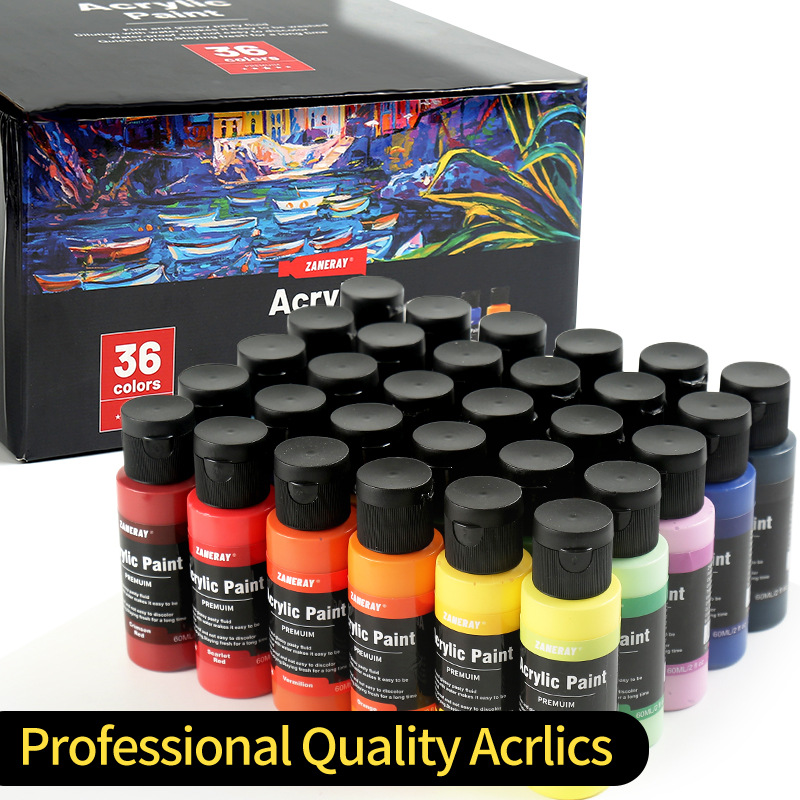
Acrylic painting is a versatile and accessible medium for both beginners and professional artists. The water-based nature of acrylic paint allows for easy mixing and application, making it perfect for a wide range of techniques. Whether you're planning to paint a delicate watercolor-like image or a thick, textured masterpiece, acrylics are your go-to. This article will guide you through the essential steps and techniques to master painting with acrylic paint, including choosing the right materials and tools from a reputable painting with acrylic paint supplier, and avoiding common pitfalls. We'll also delve into the services of a top-tier painting with acrylic paint manufacturer, JDYA ART, which provides high-quality art supplies to elevate your creative journey.
Choosing and Composing Your Subject
● Simple vs. Complex Subjects
When beginning a professional acrylic painting, select a subject that aligns with your skill level. Starting with simple subjects like still lifes can help you get comfortable with the medium before graduating to more complex compositions such as landscapes or portraits.
● Rule of Thirds
The rule of thirds is a fundamental principle in art composition. By dividing your canvas into a 3x3 grid, you can place the important elements of your painting at the intersections of these lines. This technique not only aids in creating a balanced and engaging composition but also provides a simple framework for beginners looking to improve their skills.
● Different Format Choices
Choosing the correct format for your painting is essential. A horizontal (landscape) format can evoke a sense of space, while a vertical (portrait) format can imbue your piece with intimacy. For panoramic views, a wide rectangle format is ideal. Alternatively, a square format can draw the viewer's eye directly to the center of the painting. Different formats can be easily tried out through preliminary sketches or digital mockups.
Creating a Preliminary Drawing
● Importance of Initial Sketches
A preliminary drawing is a vital step in the painting process, especially for those new to acrylic painting. It helps you position the main elements of your composition, define forms, and establish proportions. Some artists may choose to skip this step, but it can significantly aid in achieving a successful final piece.
● Tools and Techniques
You can use a soft pencil, charcoal, or even acrylics to create your initial sketch. Charcoal is excellent for adding shadows and depth, while acrylic paint offers the advantage of permanence, ensuring your sketch won't disappear as you add layers of paint.
● Using Grids and Tracing Paper
If you find drawing freehand challenging, consider using a grid or tracing paper to help you. This technique allows for more accurate placement of elements and proportions, making it easier to transfer your vision to the canvas.
Preparing a Colored Background
● Purpose and Benefits
A colored background can unify the colors in your painting and provide a cohesive base. While not always necessary, this step can enhance the overall impact of your piece.
● Different Techniques for Applying Backgrounds
Applying a colored background involves using one of the main shades of your subject, diluted with water. This technique ensures that the color wash does not overpower your sketch.
● Tips for Homogenizing and Adding Movement
For a uniform background, use a wide, flexible paintbrush to apply the paint in horizontal stripes. For added dynamism, consider using circular strokes or zigzags. If your subject allows, a multicolored background can add layers of complexity and interest.
Applying Colors in Layers
● Working from Light to Dark
In acrylic painting, it's generally best to work from light to dark. By adding water to your paint, you can achieve lighter colors without making them opaque. This layering technique allows for a more nuanced and dimensional final piece.
● Techniques for Layering Paint
Apply your paint in thin, even layers, allowing each layer to dry before adding the next. This prevents colors from blending unintentionally and helps maintain the vibrancy and sharpness of your hues.
● Importance of Drying Between Layers
Patience is key when working with layers. Allowing each layer to dry fully before applying the next ensures that your colors remain distinct and your touches remain fresh.
Adding Final Details and Accents
● Enhancing Colors and Adding Volume
The last step in your painting process involves adding the finishing details that bring your piece to life. This includes strengthening colors, adding volume, and placing highlights.
● Creating Highlights and Shadows
Use lighter and darker shades to add dimension and depth to your painting. These touches can make your subject appear more three-dimensional and realistic.
● Strategies for Detailing
Whether you're adding fine lines or complex patterns, use finer brushes for detail work. This step may require practice and patience, but it significantly contributes to the overall quality of your piece.
Selecting the Right Tools and Materials
● Best Brushes for Acrylic Painting
Choosing the right brush is crucial for professional painting with acrylic paint. Different brushes serve different purposes, from wide brushes for backgrounds to fine-tipped brushes for detailing. High-quality brushes from a reputable painting with acrylic paint manufacturer can make a noticeable difference in your work.
● Choosing the Right Canvas
Not all canvases are created equal. Opt for a canvas that suits your style and the type of painting you wish to create. A reputable painting with acrylic paint factory will offer a variety of canvases, from pre-stretched to canvas rolls, ensuring you find the perfect match for your project.
● Palette and Mediums
A well-organized palette can make your painting process smoother. Additionally, exploring different mediums, such as gel or fluid mediums, can alter the texture and finish of your acrylic paint, opening up new creative possibilities.
Maintaining and Cleaning Your Equipment
● Cleaning Brushes and Palettes
Proper maintenance of your tools is essential for their longevity. Clean your brushes and palettes immediately after use to prevent acrylic paint from hardening and becoming difficult to remove.
● Proper Storage Techniques
Store your brushes upright to maintain their shape and longevity. Keep your canvases in a dry, cool place to prevent warping or damage.
● Extending Product Lifespan
High-quality supplies from a reputable painting with acrylic paint supplier can last longer and offer better performance. Investing in good materials saves money in the long run and elevates the quality of your work.
Common Mistakes and How to Avoid Them
● Overworking the Paint
One of the most common mistakes in acrylic painting is overworking the paint. This can lead to muddied colors and a lack of vibrancy. Work efficiently and know when to stop to maintain the freshness of your colors.
● Poor Layer Management
Managing your layers effectively is crucial. Allow each layer to dry before adding the next to avoid unintended blending and maintain the structural integrity of your painting.
● Not Allowing Adequate Drying Time
Rushing the drying process can ruin your painting. Patience ensures that each layer sets correctly, preserving the clarity and vibrancy of your colors.
Tips for Continuous Improvement
● Practicing Regularly
Regular practice is the key to mastering any craft, including painting with acrylic paint. Dedicate time to painting frequently to develop and refine your skills.
● Trying Different Techniques
Experiment with various techniques to discover what works best for you. From impasto to glazing, don't be afraid to step out of your comfort zone.
● Getting Inspiration from Other Artists
Study the works of other artists for inspiration and ideas. Analyzing different styles and techniques can provide new perspectives and approaches to your own work.
Conclusion
Mastering professional acrylic painting requires practice, patience, and the right materials. By following the steps outlined in this article, you can enhance your skills and create stunning works of art. From choosing the right subject and composing it effectively, to selecting the best tools and materials from a reputable painting with acrylic paint factory, every step of the process is crucial. Avoid common mistakes by practicing regularly and experimenting with different techniques. For high-quality supplies, look no further than JDYA ART, a leading name in the industry.
About JDYA ART
Welcome to Suqian JDY Cultural Articles Co., Ltd., where we specialize in crafting artistic masterpieces and offering a comprehensive range of art essentials. Our product portfolio includes exquisite stretched canvases, canvas rolls, versatile easels, captivating paint-by-numbers kits, and reliable stretcher bars, all designed to cater to a wide spectrum of creative needs. Our frames are meticulously crafted using imported pine wood, and our canvases boast a delicate texture with a pure white acrylic acid primer. Our products are non-toxic, odorless, and built to last. Join us at JDYA ART, where your masterpiece awaits.
Post time: 2024-08-28 17:19:08