


Creating the perfect canvas frame involves more than just aesthetics; it’s about selecting the right wood to ensure durability, functionality, and visual appeal. Whether you're an artist crafting your own frames or a manufacturer seeking the best materials, the type of wood you choose is crucial. In this article, we explore various wood options for canvas frames, with insights into their benefits, functionality, and environmental considerations.
1. Introduction to Canvas Frames: Importance and Selection
● Why Choosing the Right Wood Matters
The foundation of a quality canvas lies in its frame. An ideal wood choice offers structural integrity, ease of use, and complements the artwork it holds. Artists often overlook the importance of the frame, focusing instead on the canvas and painting materials. However, the wooden frame for a canvas plays a pivotal role in maintaining the artwork's longevity and presentation.
● Overview of the Article's Focus
In this guide, we will delve into popular wood types used for canvas frames, evaluate their characteristics, and offer guidance on making informed choices. We'll explore keywords like wholesale wooden frame for canvas, wooden frame for canvas manufacturer, and wooden frame for canvas supplier to serve both individual artists and large-scale producers.
2. Popular Wood Types for Canvas Frames
● The Characteristics of Poplar, Pine, and Oak
Canvas frames generally use woods such as poplar, pine, and oak. Each type has distinct properties that influence the frame's functionality and artistic impact. For instance, poplar is known for its moderate density and smooth grain, making it easy to work with. Pine is celebrated for its affordability and lightweight nature, while oak is revered for its durability and strength.
● Benefits and Drawbacks of Each Wood Type
Understanding the merits and pitfalls of each wood type helps in making the best selection. Poplar’s flexibility can be an advantage or disadvantage depending on the frame size. Pine is cost-effective but might lack the robustness required for larger pieces. Oak, though strong, can be heavier and more expensive, influencing overall handling and cost.
3. Poplar Wood: A Strong and Flexible Option
● Properties of Poplar That Make It Ideal
Poplar wood is a preferred choice for many artists due to its strength-to-weight ratio. It is not only strong enough to support large canvases but also lightweight enough to be easily handled. The fine-grained texture ensures a smooth finish, which is crucial for the aesthetic appeal of a canvas frame.
● Comparison with Other Wood Types
While poplar offers a balanced profile, it might not provide the same level of durability as oak. However, when compared to pine, poplar is stronger and provides better longevity, making it a favored option among canvas frame manufacturers looking for a mid-range solution.
4. Pine Wood: Affordable and Lightweight
● Advantages of Using Pine for Canvas Frames
Pine is often chosen for its cost-effectiveness and availability. Artists and suppliers who prioritize budget considerations find pine to be an excellent choice. It is easy to cut and assemble, ideal for quick production of frames.
● Situations Where Pine Might Be Less Suitable
Despite its benefits, pine may not be the best choice for large or high-value artworks, as its lighter weight can result in less structural support over time. In environments with high humidity, pine frames might warp if not properly treated, impacting the canvas’s appearance.
5. Oak Wood: Durable and Sturdy Choice
● The Aesthetic and Strength Attributes of Oak
Oak's dense structure and rich texture make it an appealing choice for high-end or large-scale canvas frames. Its resilience to physical wear means that oak frames can support substantial canvases without losing shape.
● Considerations for Using Oak in Larger Canvases
While oak is robust, artists must consider its weight. Handling larger frames made from oak requires additional support during both the construction and hanging phases. Despite its higher cost, the investment is worthwhile for artists and businesses demanding longevity in their frames.
6. Sustainability and Environmental Considerations
● Choosing Sustainable Wood Sources
Sustainability is a growing concern within the art community. Selecting wood from responsibly managed forests or reclaimed sources aids in reducing environmental impact. This is important for artists and suppliers aiming to build eco-friendly practices into their work.
● The Impact of Wood Selection on the Environment
Different woods have varying environmental footprints. Pine, for example, grows quickly and is often more sustainable if sourced responsibly. Meanwhile, the choice to use hardwoods like oak should be balanced with considerations about their slower growth and longer replenishment cycle.
7. Wood Treatment and Preparation
● Preparing Wood for Durability and Aesthetics
Proper preparation and treatment of wood help in extending the life of canvas frames. Techniques include sealing and priming, which protect against moisture and pest damage. Such practices are essential for maintaining the frame's integrity, particularly when using woods like pine or poplar.
● Techniques for Enhancing Wood Properties
Applying finishes such as varnishes or oils can enhance the natural beauty of the wood while providing additional protection. These treatments help emphasize the wood grain and color while ensuring the frame complements the canvas.
8. Customizing Canvas Frames with Different Woods
● How Wood Choice Affects Custom Frame Designs
The wood chosen significantly influences the customization potential of a canvas frame. Lighter woods like pine allow for intricate designs and quick adjustments, whereas hardwoods like oak provide fewer customization options but promise greater durability and strength.
● Balancing Aesthetic Preferences and Functionality
Artists must weigh the aesthetic appeal of their chosen wood against its practicality. While a visually striking frame may enhance a piece, ensuring that it adequately supports and preserves the canvas is equally important. Customizing frames involves striking a balance between visual preferences and structural needs.
9. Cost and Availability of Different Wood Types
● Budget Considerations for Artists
Cost is a major factor for artists when selecting frame materials. Pine offers budget-friendly solutions, while poplar provides a mid-range option. Oak, though more expensive, is justified for its premium quality and durability, making it suitable for artwork of significant value.
● Availability of Wood Types in Various Regions
The accessibility of different wood types varies globally, impacting their use. In regions where certain types are more prevalent, artists and manufacturers can benefit from reduced costs and easier sourcing, enabling them to choose materials that suit their specific needs and environmental conditions.
10. Conclusion and Recommendations
● Summarizing Key Points for Selecting Wood
Selecting the appropriate wood for a canvas frame hinges on several factors, including strength, flexibility, sustainability, and cost. Poplar, pine, and oak each offer unique benefits that can be tailored to specific artistic and manufacturing needs.
● Final Thoughts and Personal Recommendations for Artists
For artists and suppliers, understanding the nuances of each wood type empowers them to create frames that enhance and support their art. By considering both aesthetic and practical aspects, it’s possible to select wood that elevates the artwork it frames.
Suqian JDY Cultural Articles Co., Ltd.
JDYA ART, under
Suqian JDY Cultural Articles Co., Ltd.
, is a dedicated factory specializing in crafting artistic masterpieces. They offer a wide range of art essentials, including stretched canvases, canvas rolls, and versatile easels. Using imported pine wood, their frames are meticulously constructed to ensure durability and aesthetic appeal. Committed to quality and competitive pricing, JDYA ART empowers artists by providing premium-grade materials, making them a trusted wholesale wooden frame for canvas manufacturer and supplier in the art industry. Join them on a journey toward artistic excellence, where your masterpiece awaits.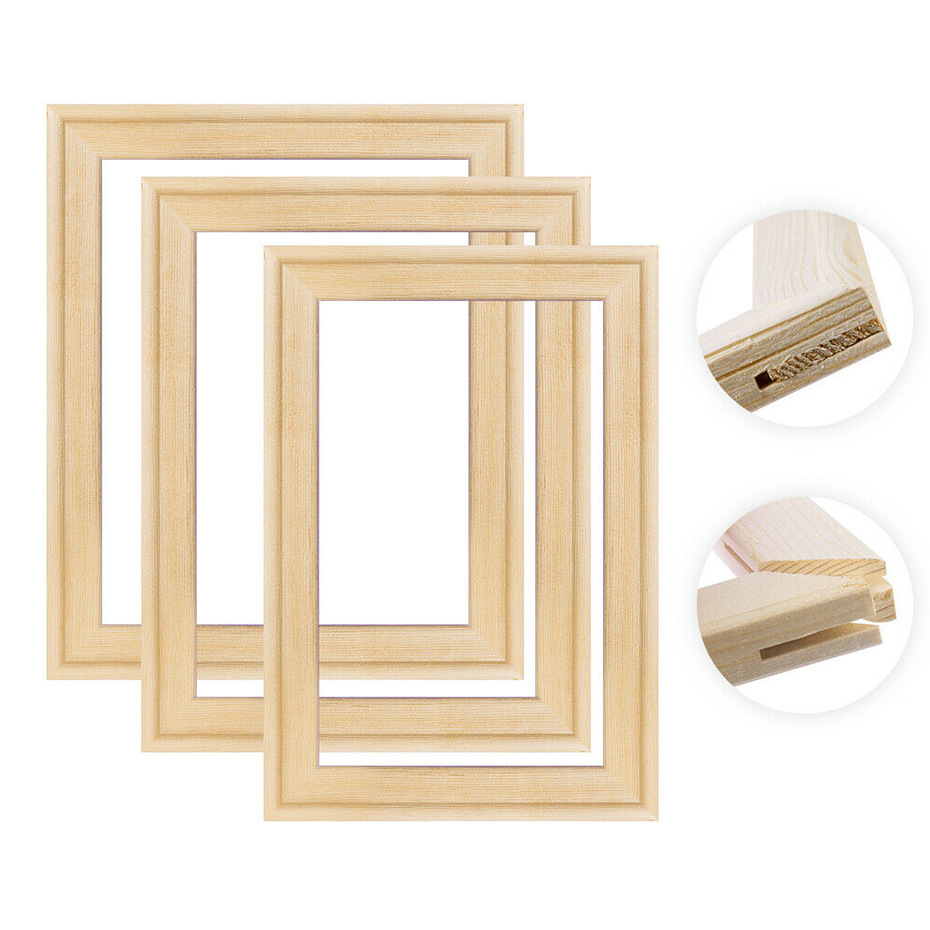
Post time: 2024-10-18 12:11:02