


● Introduction
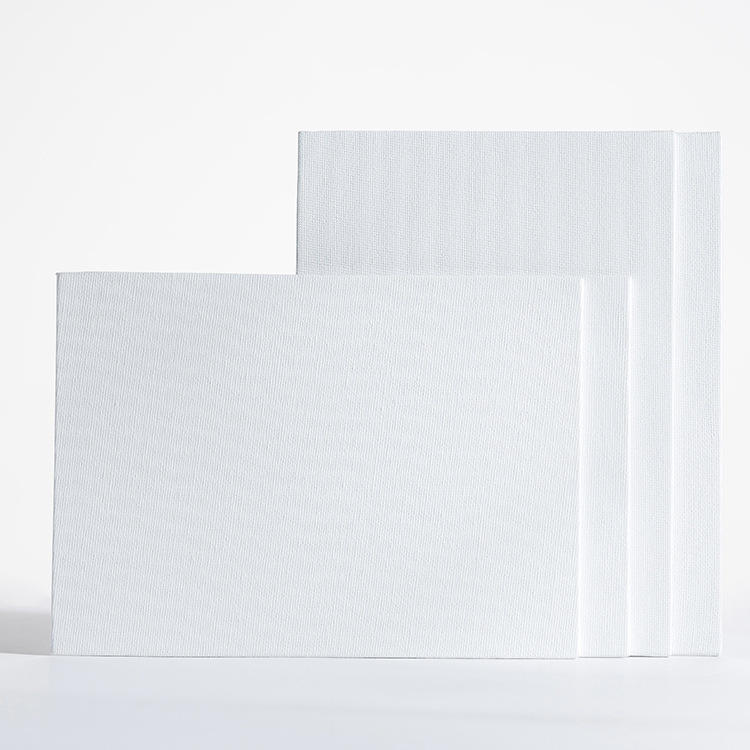
canvas panels have become an essential tool for artists of all levels, offering a rigid and durable surface to create beautiful artwork. While many are familiar with traditional stretched canvas, canvas panels present different advantages that cater to a variety of artistic needs. This article delves into the uses, benefits, and creation process of canvas panels, and explores how wholesale canvas panel suppliers, manufacturers, and factories play a role in making these versatile art materials available.
● Advantages of Using Canvas Panels
●
○ Stability and Rigidity in Painting
One of the primary benefits of canvas panels is the stability and rigidity they offer. Unlike stretched canvas, which can have a noticeable "bounce" when you apply paint, a canvas panel provides a firm surface that can handle heavy applications of paint and mixed media. This is particularly advantageous for artists who require a reliable substrate that won't warp or sag over time.
●
○ Easier Storage Solutions
Canvas panels are easier to store and handle compared to stretched canvases. Due to their thin and rigid nature, they can be stacked flat, minimizing the risk of damage. This is especially useful for artists with limited studio space or those who create a high volume of work.
●
○ Ideal for Plein Air Painting
For artists who enjoy plein air painting—creating art outdoors—canvas panels are an excellent choice. Their compact size and durability make them easy to transport and fit conveniently into pochade boxes. Stretched canvases, on the other hand, can be bulky and susceptible to punctures during transport.
● Materials for Canvas Panels
●
○ Types of Rigid Surfaces
Canvas panels can be mounted on various rigid surfaces, each offering unique characteristics. Some common materials include:
- Plywood : Smooth and durable, ideal for large and small panels.
- MDF (Medium-Density Fiberboard) : Economical and readily available, providing a smooth surface.
- Gatorfoam Board : Lightweight yet sturdy, suitable for both small and large works.
The choice of surface can influence the final texture and stability of the artwork, making it important to select the right material for specific needs.
●
○ Differences Between Primed and Unprimed Canvas
Artists can choose between primed and unprimed canvas for their panels. Primed canvas comes pre-coated with gesso, providing a smooth, white surface ready for painting. Unprimed canvas allows artists to treat and prime the surface according to their preferences, offering greater control over the texture and absorbency of the canvas.
● Steps to Create a Canvas Panel
●
○ Selecting and Cutting the Canvas
Creating a custom canvas panel begins with selecting the appropriate canvas. Many artists use offcuts from larger projects to minimize waste. When cutting the canvas to size, it's crucial to account for potential shrinkage due to the adhesive. Cutting the canvas slightly larger than the panel ensures a perfect fit once it is secured.
●
○ Choosing the Appropriate Adhesive
The adhesive used to mount the canvas is critical for long-term durability. Common choices include:
- Soft Acrylic Gel : Flexible and archival quality, ideal for long-term projects.
- PVA (Polyvinyl Acetate) : Provides a strong bond and is also archival.
- Re-moistenable PVA : Allows the canvas to be removed from the panel in the future if needed.
Using a Ph neutral adhesive ensures that the glue won't deteriorate over time, maintaining the integrity of the artwork.
●
○ Applying the Canvas to the Panel
The method of applying the canvas to the panel can impact the final result. It's important to spread the adhesive evenly across the panel to prevent air pockets and ensure a smooth finish. Artists often use a brayer or palette knife to press the canvas firmly, eliminating any wrinkles or bubbles.
● Choosing the Right Adhesive
●
○ Types of Adhesives
Selecting the right adhesive is crucial for the longevity and quality of the canvas panel. Some commonly used adhesives include:
- Soft Acrylic Gel : Known for its flexibility and archival properties, this adhesive is ideal for high-quality, long-lasting projects.
- PVA for Permanent Bond : Offers a strong, permanent bond and is also archival, ensuring that the canvas remains securely attached over time.
- Re-moistenable PVA : This type of PVA allows for the canvas to be removed from the panel if needed, providing flexibility for future modifications.
●
○ Importance of Ph Neutral and Flexible Adhesives
Using a Ph neutral adhesive is essential as it does not deteriorate over time, ensuring the artwork's longevity. Flexible adhesives can withstand changes in humidity and temperature, preventing the glue from becoming brittle and ensuring the canvas remains securely attached to the panel.
● Drying and Securing the Canvas
●
○ Techniques for Drying Under Pressure
To ensure a strong bond, it's crucial to dry the canvas under pressure. This can be achieved by placing heavy weights on the back of the panel or using clamps. Proper pressure ensures that the adhesive remains in contact with both the canvas and the panel, preventing any separation or bubbling.
●
○ Common Mistakes and How to Avoid Them
A common mistake is not applying enough adhesive or failing to use sufficient pressure during drying. Both scenarios can result in weak bonds, leading to detachment over time. Ensuring an even distribution of adhesive and applying consistent pressure will prevent these issues.
● Trimming and Priming the Canvas
●
○ How to Correctly Trim Excess Canvas
Once the adhesive has dried, the excess canvas can be trimmed to create a clean edge. Using a sharp utility knife and a straight edge ensures precise cuts, preventing any fraying or uneven edges.
●
○ Priming Options and Techniques for Different Paint Mediums
Priming the canvas prepares it for painting, creating a smooth and consistent surface. Different primers can be used based on the medium:
- Acrylic Gesso : Suitable for acrylics and oils, providing a smooth and absorbent surface.
- Oil Primer : Specifically designed for oil paints, creating a non-absorbent surface that prevents the paint from sinking in.
- Chalky Gesso : Ideal for encaustic painting, offering a highly absorbent surface.
Artists can apply one to three coats of primer, smoothing with a brush, palette knife, or squeegee, depending on the desired texture.
● Treating the Sides of the Panel
●
○ Methods for Sealing and Finishing the Panel Sides
To protect the sides of the panel and prevent staining, artists can seal the wood with varnish, wood sealer, or clear wax. Popular options like Liberon paste wax provide a smooth, sealed finish, enhancing the wood's appearance and durability.
●
○ Benefits of Using Varnish, Wood Sealer, or Paste Wax
Each sealing method offers different benefits:
- Varnish : Provides a hard, durable finish that protects against moisture and damage.
- Wood Sealer : Penetrates the wood, sealing the pores and providing a solid base.
- Paste Wax : Offers a smooth, polished finish that enhances the wood's natural color and texture.
● Comparing Ready-Made vs. DIY Canvas Panels
●
○ Pros and Cons of Buying Ready-Made Panels
Ready-made canvas panels offer convenience and consistency, making them ideal for artists who require a quick and reliable solution. However, they can be more expensive and may not always meet specific size or texture requirements.
●
○ Advantages of Making Custom-Sized Panels
Creating custom-sized panels allows artists to tailor the canvas to their specific needs, ensuring the perfect size, texture, and finish. While it requires additional time and effort, the flexibility and control over the final product make it a worthwhile investment for many artists.
● Special Considerations for Different Painting Mediums
●
○ Compatibility of Canvas Panels with Oil, Acrylic, and Encaustic Painting
Canvas panels are compatible with various painting mediums, each requiring different preparation and priming techniques:
- Oil Painting : A rigid surface is recommended to prevent cracking over time. Priming with oil-specific gesso ensures proper adhesion and longevity.
- Acrylic Painting : Acrylic gesso works well, providing a smooth and absorbent surface that enhances the vibrancy of acrylic paints.
- Encaustic Painting : A highly absorbent, chalky gesso is essential for encaustic painting to ensure proper adhesion of the wax.
●
○ Long-Term Conservation Benefits and Considerations
Using canvas panels offers long-term conservation benefits, including reduced risk of warping, sagging, and cracking. Properly prepared and primed panels can withstand the test of time, preserving the integrity and appearance of the artwork.
● Conclusion
Canvas panels offer a versatile and durable solution for artists, providing stability, ease of storage, and compatibility with various mediums. Whether creating custom panels or purchasing from a canvas panel supplier, the benefits of using canvas panels are clear. As a valuable tool in any artist's arsenal, canvas panels ensure the creation of beautiful, long-lasting artwork.
● About JDYA ART
Welcome to Suqian JDY Cultural Articles Co., Ltd. We are a dedicated factory specializing in crafting artistic masterpieces, offering a comprehensive range of art essentials. From exquisite stretched canvases and canvas rolls to versatile easels, captivating paint-by-numbers kits, and reliable stretcher bars, our product portfolio caters to a wide spectrum of creative needs. As a professional canvas panel manufacturer and canvas panel supplier, we take pride in providing premium-grade art materials at competitive prices. Join us on the journey towards artistic excellence with JDYA ART. Your masterpiece awaits at Suqian JDY Cultural Articles Co., Ltd.
Post time: 2024-07-17 14:43:10