


● Introduction to Acrylic Paint Manufacturing
The exquisite colors that grace canvases worldwide often begin their journey in large acrylic paint factories. These facilities are the backbone of the art industry, ensuring that artists have access to high-quality paints needed to create masterpieces. Producing large acrylic paint involves meticulous processes and state-of-the-art machinery. From sourcing raw materials to packaging the final product, a skilled team ensures every step meets rigorous quality standards. This article dives deep into the intricate process of making acrylic paint, emphasizing the role of large acrylic paint manufacturers, suppliers, and wholesalers in delivering this essential art material.
● Historical Context of Paint Making
●Evolution from Ancient Methods to Modern Techniques
The history of paint making is as rich and varied as the hues produced in large acrylic paint factories today. Ancient civilizations from the Egyptians to Renaissance painters developed their methods for creating paints, primarily using natural pigments and rudimentary binders like animal fat or egg yolk. These traditional techniques laid the foundation for modern paint manufacturing. Over time, innovations in chemistry and technology have significantly transformed the industry. Today, large-scale factories have replaced manual grinding and mixing with automated processes, allowing for the production of consistent and high-quality acrylic paints.
●Traditional Paint Ingredients and Processes
Early paint makers relied on natural pigments, each requiring unique preparation methods. Pigments were ground manually using stones or mullers, mixed with binders, and used immediately or stored in animal bladders. Despite the lack of advanced tools, these early paints were surprisingly durable and vibrant. Modern large acrylic paint manufacturers have preserved the essence of these traditional methods while enhancing efficiency and quality through technological advancements.
● Primary Ingredients in Acrylic Paint
●Role of Pigment, Water, and Binder
Acrylic paint is composed of three main ingredients: pigment, water, and binder. Pigments provide the color, water adjusts the consistency, and the binder holds the pigment particles together, ensuring adhesion to surfaces. Each of these components plays a crucial role in the final quality and performance of the paint. Large acrylic paint suppliers must carefully balance these ingredients to produce paints with the desired properties.
●Source and Characteristics of Pigments
Pigments are the heart of acrylic paint, giving it color and other essential qualities. They can be derived from natural sources, such as minerals, or synthesized in laboratories. Large acrylic paint factories source pigments globally, ensuring access to a wide variety of colors and properties. Key characteristics of pigments include particle size, tinting strength, transparency, sheen, and lightfastness. These factors influence everything from the vibrancy of the color to its durability and resistance to environmental factors.
● Sourcing and Preparing Pigments
●Global Sources of Pigments
Pigments used in large acrylic paint manufacturing come from diverse geographical locations. For instance, ultramarine blue is typically sourced from lapis lazuli mines in Afghanistan, while earth tones like ochre and sienna originate from mineral deposits in Italy and France. Synthetic pigments are often produced in specialized chemical factories across the globe. Large acrylic paint suppliers ensure that these raw materials meet strict quality standards before they’re transported to the manufacturing plant.
●Initial Steps: Measuring and Wetting Out Pigments
Upon arrival at the factory, pigments are carefully measured and weighed to ensure precise formulation. Each batch of paint has a specific recipe developed through extensive testing to achieve the desired color and consistency. The process begins with wetting out the pigments, which involves mixing them with water using a small mixing blade. This initial mixture prepares the pigments for the next crucial step: milling.
● The Milling Process for Pigment Preparation
●How Pigments Are Ground and Refined
Milling is a critical step in manufacturing large acrylic paint, as it determines the final texture and color quality. During this process, the pigment and water mixture is slowly poured into a mill. Inside, small, hard, stone-like balls grind the pigment particles, breaking them down into finer particles and enhancing their color properties. This grinding process may need to be repeated several times, depending on the pigment's hardness and desired fineness.
●Role of Milling in Achieving Color Consistency
The milling process ensures that the pigment particles are uniformly small and evenly distributed, resulting in a smooth and consistent paint texture. This consistency is vital for artists who rely on the predictability of their materials. Large acrylic paint manufacturers invest in advanced milling technology to maintain high standards and meet the expectations of their customers.
● Binding Pigments with Acrylic Resin
●Introduction of Acrylic Resin as a Binder
Once the pigments are adequately milled, the next step is binding them with acrylic resin. Acrylic resin, a liquid plastic, serves as the binder in acrylic paints, holding the pigment particles together and ensuring the paint adheres to surfaces. When it arrives at the factory, the resin is a slightly whitish liquid that dries into a clear, shiny film.
●Characteristics of Acrylic Resin and Its Transformation
Acrylic resin is valued for its flexibility, durability, and clarity. These properties make it an ideal binder for artists' paints, as it allows for vibrant colors and long-lasting artwork. In the factory, a strong pump transfers the acrylic resin into a large mixing tank, where it is combined with the pigment paste. The mixing process ensures that the pigment particles are thoroughly coated with resin, creating a stable and uniform paint mixture.
● Mixing Ingredients for Acrylic Paint
●Detailed Mixing Process
The pigment and resin mixture undergoes a thorough mixing process to ensure uniformity. A large circular blade with notches and turned-up edges is lowered into the tank and powered by a motor to spin at high speeds. The rapid movement of the blade intensifies the color of the pigment and ensures even distribution throughout the mixture. This stage is crucial for achieving the desired paint consistency and performance.
●Machinery Used in Mixing and Its Effects on Paint Quality
Modern large acrylic paint factories utilize advanced mixing equipment designed to handle large volumes and maintain consistency across batches. These machines are capable of precise control over speed and duration, which are critical factors in the final paint quality. Proper mixing ensures that the paint will have a smooth application, consistent color, and stable performance over time.
● Packaging of Acrylic Paint
●Process of Transferring and Packaging Paint
Once the mixing process is complete, the paint is ready for packaging. The mixed paint is emptied through a valve at the bottom of the mixing tank and transferred into a hopper. This hopper funnels the paint into a portioning machine, where an air-powered piston filler dispenses measured amounts into tubes or jars.
●Importance of Proper Labeling and Sealing
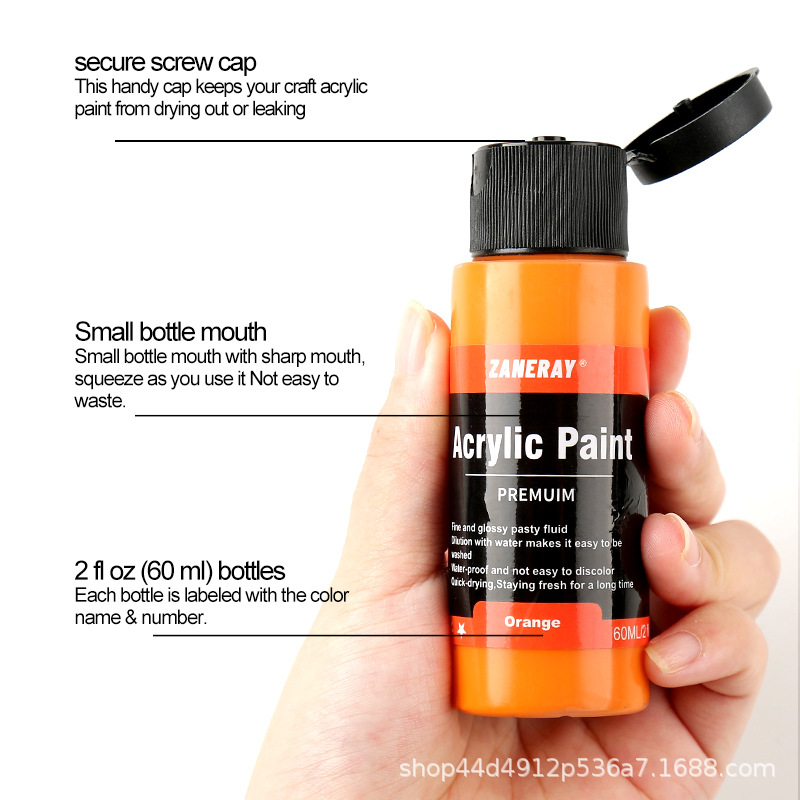
Accurate labeling and sealing are vital for maintaining the paint's freshness and quality. Tubes are sealed by pressing the open ends between heated jaws, while jar lids are screwed on tightly. Each container is labeled with essential information, including the color name and batch number. A stroke of paint is often brushed onto the label to provide a true representation of the color inside. Large acrylic paint suppliers emphasize proper labeling as it ensures consumers know exactly what they are purchasing.
● Quality Control and Consistency
●Ensuring Color and Texture Consistency
Maintaining consistent quality across batches is a significant challenge in paint manufacturing. Large acrylic paint manufacturers implement rigorous quality control measures to ensure every batch meets the required standards. This includes regular testing of pigment dispersion, color accuracy, and paint viscosity. Consistent quality is crucial for artists, who rely on predictable and uniform materials for their work.
●Testing for Lightfastness and Safety Standards
Lightfastness, or the paint’s resistance to fading when exposed to light, is a critical property for acrylic paints. Manufacturers conduct extensive testing to ensure their products perform well over time. Additionally, safety standards are strictly adhered to, ensuring that the paints are non-toxic and safe for use. Large acrylic paint factories are committed to providing high-quality, reliable, and safe products for their customers.
● Innovations and Environmental Considerations
●Modern Advancements in Pigment Technology
The field of pigment technology continues to evolve, with new synthetic pigments offering brighter, more stable colors than ever before. Innovations such as Quinacridones and Phthalocyanines have expanded the range of available hues, providing artists with more options for their creative endeavors. These advancements also improve the lightfastness and durability of paints, enhancing the longevity of artworks.
●Eco-Friendly Practices in Paint Manufacturing
Environmental considerations are increasingly important in modern manufacturing. Large acrylic paint factories are adopting eco-friendly practices to reduce their environmental impact. This includes using sustainable raw materials, minimizing waste, and implementing energy-efficient processes. These efforts ensure that the production of high-quality acrylic paints is also aligned with environmental sustainability.
● Conclusion
The production of acrylic paint is a complex process that combines traditional principles with modern technology. From sourcing high-quality pigments to meticulous mixing and packaging, every step is crucial in ensuring the final product meets the highest standards. Large acrylic paint manufacturers, suppliers, and wholesalers play a vital role in providing artists with the materials they need to create stunning works of art. By continuously innovating and adhering to stringent quality controls, these manufacturers ensure that acrylic paint remains a versatile and valuable medium for artists around the world.
● About JDYA ART
Welcome to Suqian JDY Cultural Articles Co., Ltd. We are a dedicated factory specializing in crafting artistic masterpieces. Our comprehensive range includes exquisite stretched canvases, versatile easels, captivating paint-by-numbers kits, and reliable stretcher bars. With a daily production capacity of 8,000 to 10,000 pieces and a commitment to quality, JDYA ART is your trusted partner in the world of creativity. Join us in crafting a resplendent chapter in the world of art. Your masterpiece awaits at JDYA ART.
Post time: 2024-09-09 17:55:05