


Introduction to Art Easels
Art easels are an essential tool in the world of art. They provide a stable and adjustable platform for artists to work on their creations, whether it be painting, drawing, or mixed media. Easels come in various shapes, sizes, and materials, offering flexibility and convenience to suit different artistic needs and environments. Understanding the importance and functionalities of art easels can significantly enhance an artist's productivity and comfort while working.
● The Role of Art Easels
Art easels serve as the backbone for many artists, holding canvases, boards, and pads in place while they work. This allows for a more ergonomic setup, enabling artists to work at eye level and reduce physical strain. Furthermore, easels can be adjusted to various angles and heights, accommodating different styles and techniques.
Historical Background of Art Easels
● Origin and Evolution
The history of easels dates back to ancient times when they were first used by Egyptian and Roman artists. Over the centuries, easels have undergone significant transformations in design and functionality. Initially, they were simple wooden stands, but as art evolved, so did the easels, with more sophisticated designs and materials coming into play.
● Key Milestones in Easel Design
Some of the key milestones in the evolution of easels include the introduction of the H-frame easel, known for its stability, and the A-frame easel, renowned for its simplicity and portability. The development of these designs has allowed artists to find the perfect balance between stability and mobility.
Types of Art Easels
● Overview of Different Types
There are several types of easels, each designed to meet specific artistic needs. Understanding these types is crucial for selecting the right one:
- H-Frame Easels : Known for their stable base and robust structure, H-frame easels are ideal for large canvases.
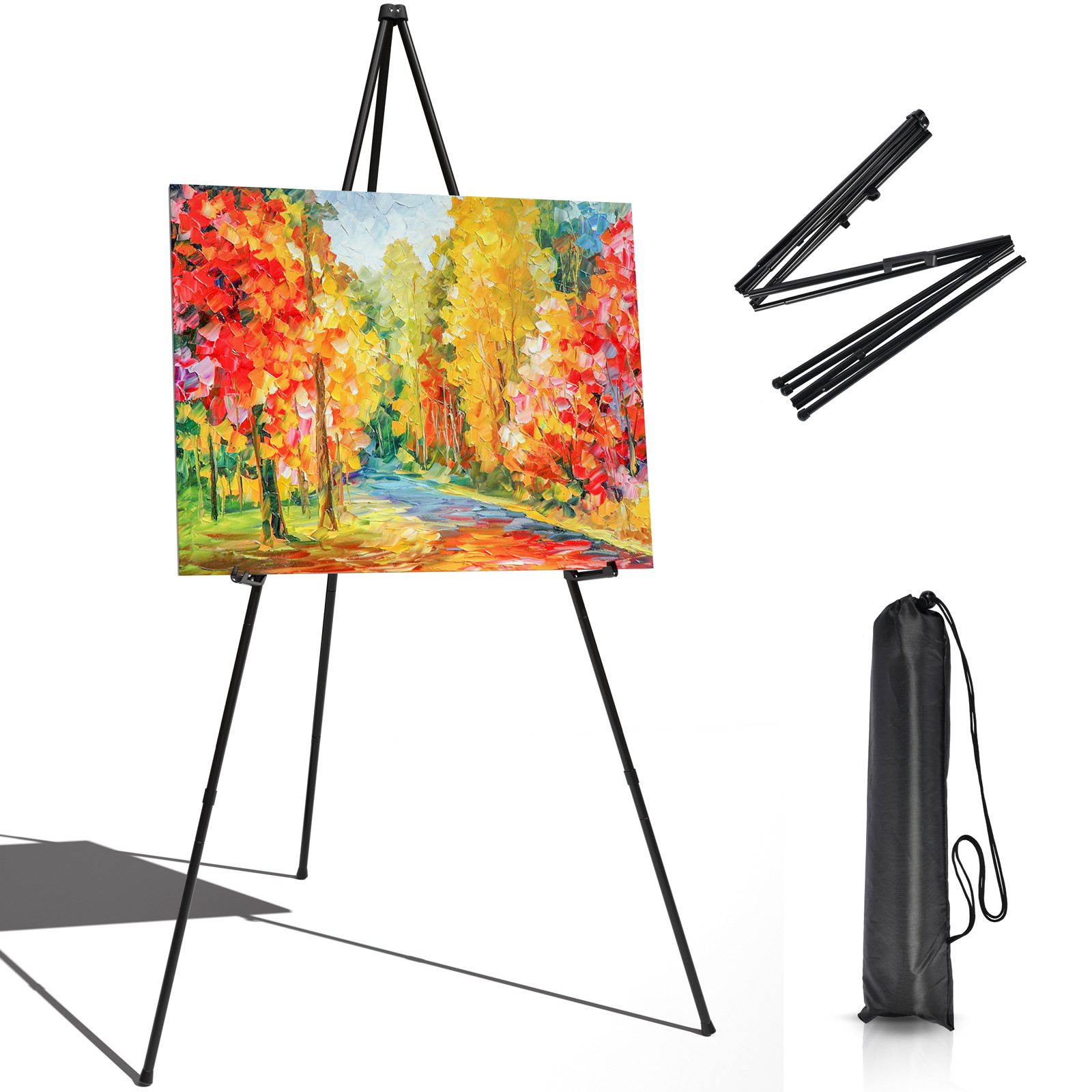
- A-Frame Easels : Featuring a simple tripod design, A-frame easels are lightweight and easy to store.
- Tabletop Easels : Perfect for smaller works and limited spaces, tabletop easels are compact and portable.
- Display & Presentation Easels : Used primarily for showcasing finished works, these easels are often seen in galleries and exhibitions.
- Convertible & Multi-Angle Easels : Offering versatility, these easels can be adjusted to various angles, making them suitable for different media such as watercolor, acrylic, and oil painting.
● Specific Uses for Each Type
Each type of easel has its unique benefits. For example, H-frame easels are perfect for studio use due to their stability, while A-frame easels are ideal for outdoor easel setups due to their portability. Tabletop easels cater to artists working on smaller canvases or those with limited space. Display easels, on the other hand, are tailored for exhibitions and presentations, providing a professional look to the artwork.
Material Choices for Art Easels
● Wood vs. Metal Easels
Art easels are typically made from either wood or metal, each offering distinct advantages:
- Wood Easels : Traditionally the most popular choice, wood easels provide a classic aesthetic and natural feel. They are sturdy and can support large canvases. Hardwood varieties such as oak and beech are commonly used for their durability.
- Metal Easels : Known for their lightweight and modern design, metal easels are often made from aluminum or steel. They are easy to transport, making them a favorite for outdoor easels and plein air painting.
● Pros and Cons of Different Materials
Each material has its pros and cons. Wooden easels, while aesthetically pleasing and sturdy, can be heavier and less portable compared to their metal counterparts. Metal easels, being lightweight and portable, are ideal for travel but may lack the classic charm and robustness of wooden easels. Understanding these differences helps in making an informed decision based on the specific needs of the artist.
Choosing the Right Easel for Your Art
● Factors to Consider
Selecting the right easel involves considering several factors:
- Art Style : Different art styles may require different types of easels. For instance, watercolor artists might prefer a multi-angle easel that can tilt back or lay flat.
- Space : The available workspace can significantly influence the choice of easel. Studio easels are suitable for larger spaces, while tabletop or A-frame easels are better for smaller areas.
- Budget : Easels come in a wide price range. Setting a budget helps in narrowing down the options without compromising on quality.
● Tailoring Easel Choice to Different Media
Different media require specific types of easels:
- Oil and Acrylic Paint : An upright painting easel, such as an H-frame or A-frame easel, is ideal.
- Watercolor Painting : A versatile multi-angle easel that can tilt back or lay flat is recommended.
- Pastels : An easel that tilts forward, like a multi-angle easel, helps reduce glare and allows loose pastel dust to fall away from the artwork.
Studio Easels vs. Portable Easels
● Comparison of Studio and Travel Easels
Studio easels and portable easels cater to different needs:
- Studio Easels : These are designed for stability and support larger canvases. They are less portable but offer a sturdy working environment.
- Portable Easels : Lightweight and easy to transport, these easels are perfect for artists who work outdoors or at different locations. They include outdoor easels, sketch easels, and pochade boxes.
● When to Use Each Type
Deciding when to use each type depends on the working environment and art style:
- Studio Easels : Best used in a permanent studio setup where stability and support for large canvases are required.
- Portable Easels : Ideal for plein air painting, art classes, and outdoor exhibitions. These are favored by artists who need to move their workspaces frequently.
Specialty Easels and Their Uses
● Convertible and Hybrid Easels
Convertible and hybrid easels offer versatility that can be beneficial for artists working in multiple media. These easels can adjust to various angles and positions, making them suitable for different techniques and styles. Artists can switch between upright and horizontal positions, catering to oils, acrylics, watercolors, and pastels with ease.
● Easels Designed for Specific Techniques
Certain easels are designed with specific painting techniques in mind:
- Pastel Easels : Tilt forward to minimize glare and allow pastel dust to fall away.
- Watercolor Easels : Lay flat or tilt back for an optimal working angle.
- Oil and Acrylic Easels : Provide a sturdy, upright position for layering and blending techniques.
Maintaining and Caring for Your Easel
● Cleaning and Storage Tips
Proper maintenance ensures the longevity of an easel:
- Cleaning : Regularly wipe down wooden easels with a damp cloth to remove paint and dust. Metal easels can be cleaned with a mild detergent solution.
- Storage : Store easels in a dry, cool place. Foldable easels should be collapsed and stored flat to save space.
● Repair and Maintenance Advice
Routine maintenance can prevent wear and tear:
- Wooden Easels : Occasionally tighten screws and joints to prevent wobbling. Apply wood oil to maintain the finish and prevent cracking.
- Metal Easels : Check for rust and apply a protective coating if necessary. Ensure all moving parts are lubricated for smooth adjustments.
Easels in Art Display and Presentation
● Using Easels for Exhibits and Showcasing Artwork
Easels are not just for creating art; they are also vital for displaying and presenting finished pieces. Display easels come in various designs and materials, providing a professional and aesthetic way to showcase artwork. They are commonly used in galleries, art shows, and conventions.
● Advantages of Display Easels
Display easels offer several benefits:
- Portability : Easy to transport and set up, making them perfect for temporary exhibitions.
- Aesthetic Appeal : Enhance the presentation of the artwork, giving it a professional look.
- Versatility : Can be adjusted to various heights and angles to suit different display needs.
Conclusion: The Essential Role of Easels in Art Creation
● Recap of Key Points
Art easels play a crucial role in the creation and presentation of artwork. From offering stability and ergonomic support to providing a professional display for finished pieces, easels are indispensable tools for artists. Understanding the different types, materials, and uses of easels helps artists make informed choices that enhance their creative process.
● Encouragement to Choose the Right Easel
Selecting the right easel can significantly impact an artist's comfort and productivity. Whether working in a studio, outdoors, or exhibiting artwork, the appropriate easel will ensure a smoother and more enjoyable artistic experience.
● JDYA ART: Quality and Craftsmanship
Welcome to Suqian JDY Cultural Articles Co., Ltd. We are a dedicated factory specializing in crafting artistic masterpieces, offering a comprehensive range of art essentials. From exquisite stretched canvases and canvas rolls to versatile easels, captivating paint-by-numbers kits, and reliable stretcher bars, our product portfolio caters to a wide spectrum of creative needs. Our frames are meticulously crafted using imported pine wood, and our canvases are designed to withstand the test of time. Join us on the journey towards artistic excellence with JDYA ART, your trusted partner in the art world.
Post time: 2024-07-11 14:36:04