


Choosing the Right Canvas Material
● Benefits of Unprimed Cotton and Linen
When it comes to stretching an oval canvas, the choice of material plays a crucial role in the quality and longevity of your artwork. Unprimed cotton and linen are often recommended by professional artists and oval canvas suppliers due to their superior flexibility. This flexibility allows the material to conform smoothly to the curved edges of an oval canvas without creating unsightly pleats. Unprimed cotton is an economical choice for beginners and is readily available from any wholesale oval canvas supplier. On the other hand, linen is praised for its durability and the fine texture it offers, which is favored by artists aiming for detailed work. When purchasing from an oval canvas factory or manufacturer, ensure that the material meets your artistic needs and budget.
Tools Required for Stretching Oval Canvas
● Types of Staplers and Importance of Staple Size
Stretching an oval canvas demands the correct tools to ensure the canvas is taut and the edges remain smooth. The primary tool for this task is a stapler, and you have the option to choose between an air-powered or a hand-held one. Air-powered staplers are often preferred for their efficiency, especially when working with larger wholesale oval canvases obtained from an oval canvas manufacturer. However, a hand-held stapler can provide more control and precision, which is beneficial for intricate artwork. The staple size is also crucial; 3/8" staples are typically recommended by oval canvas suppliers to provide secure attachment without damaging the canvas. Ensuring the right tools will greatly enhance the ease and outcome of your canvas stretching process.
Preparing the Canvas and Frame
● Cutting Canvas and Centering the Frame
Preparation is key to successfully stretching an oval canvas. Begin by cutting your canvas to size, allowing enough material to cover the sides plus an additional 2 inches to wrap around the back. This measurement might vary if you are working with a large frame from a wholesale oval canvas provider, so adjust accordingly. Once cut, place your assembled oval strainer frame 'canvas edge' down, ensuring it is perfectly centered on the material. Centering your frame accurately is essential to avoid any distortion or uneven tension, which can be particularly challenging with oval shapes.
Initial Tack Placement Strategy
● Tack Placement Using the Clock Method and Adjustments for Larger Frames
The initial placement of tacks is crucial in maintaining even tension across the oval canvas. A widely-used technique involves positioning tacks at the '12', '6', '9', and '3' points of a clock. Start by securing one edge of the canvas with a thumb tack, then move to the opposite side and repeat. This technique helps to distribute tension evenly. For larger canvases sourced from an oval canvas factory that exceed 36 inches, additional tacks may be necessary. Add tacks at center points between the existing ones, always working on opposing sides of the frame to maintain balance. This foundational step sets the stage for a smoother stretching process.
Applying Tension to the Canvas
● Techniques for Pulling Canvas Tight and Using Canvas Pliers
Achieving the right tension is essential for a professional finish on an oval canvas. Begin tensioning the canvas by working between two secured tacks, using either canvas pliers or hand-tightening methods. Canvas pliers are particularly helpful in providing an even stretch and are a staple in the toolkit of any professional oval canvas supplier. Pull the canvas upward and inward towards the frame’s center, ensuring the material lies flat along the edges. This process should be repeated around the frame's circumference. Consistent tension application will prevent creases and lay the foundation for a smooth painting surface.
Securing the Canvas with Staples
● Stapling Methods for Smooth Edges and Managing Pleats
Once initial tension is achieved, secure the canvas using staples placed on the back of the frame about an inch from the cut edge. Start near a tack, pulling the canvas slightly while stapling. Adjacent to the first staple, place a second staple about an inch apart. This method helps manage pleats at the back while keeping the sides smooth. Wholesale oval canvas providers often recommend this technique as it prevents visible distortions on the painting surface. Continue this process systematically around the frame, and manage a clean finish by minimizing pleats at the canvas back.
Final Adjustments and Wrinkle Removal
● Using Water and Ironing Techniques
Once the canvas is fully secured, inspect the surface for minor wrinkles or imperfections. These can often be resolved by lightly spraying the canvas with water and allowing it to dry naturally. For persistent wrinkles, gently ironing the surface with an iron set to the appropriate setting (Cotton or Linen) can be effective. Some artists and oval canvas manufacturers also apply sizing or gesso, which naturally causes the canvas to contract, further reducing wrinkles and tightening the painting surface. These techniques help prepare your canvas for painting, ensuring a pristine finish.
Common Mistakes and How to Avoid Them
● Over-stretching and Proper Pleating Techniques
Stretching an oval canvas is an art in itself, and common mistakes can compromise the final product. One frequent error is over-stretching, which can lead to canvas tearing or distortion. Ensuring moderate tension is maintained throughout the process, and consulting with an oval canvas supplier can help mitigate this risk. Proper pleating techniques are also essential; inconsistent pleats can cause uneven surfaces that impact the painting outcome. Practice and patience, along with guidance from experienced oval canvas manufacturers, can significantly improve your technique.
Additional Tips for Large Oval Canvases
● Tack Placement and Handling Extra Tension
Working with large oval canvases presents unique challenges that require specific strategies. For tackles, the spacing should be closer to avoid large gaps that can cause uneven tension. Additional tacks may be needed to secure the canvas properly. Handling extra tension on larger canvases might require advanced techniques or equipment, particularly for those sourced from a wholesale oval canvas supplier. Consider using professional-grade tools to assist with providing uniform tension and ensuring the canvas is suitable for painting.
Aftercare and Maintenance of Stretched Canvas
● Storing Stretched Canvases and Long-term Care
Once your oval canvas is properly stretched, adequate aftercare will prolong its lifespan and maintain the quality of your artwork. Store canvases upright in a dry, cool environment free from dust and direct sunlight. Regularly check for signs of slackening or damage, especially if the canvas is sourced from an initial oval canvas manufacturer batch. Routine maintenance ensures your artwork remains in pristine condition and ready for display or sale.
● JDYA ART: Your Partner in Artistic Excellence
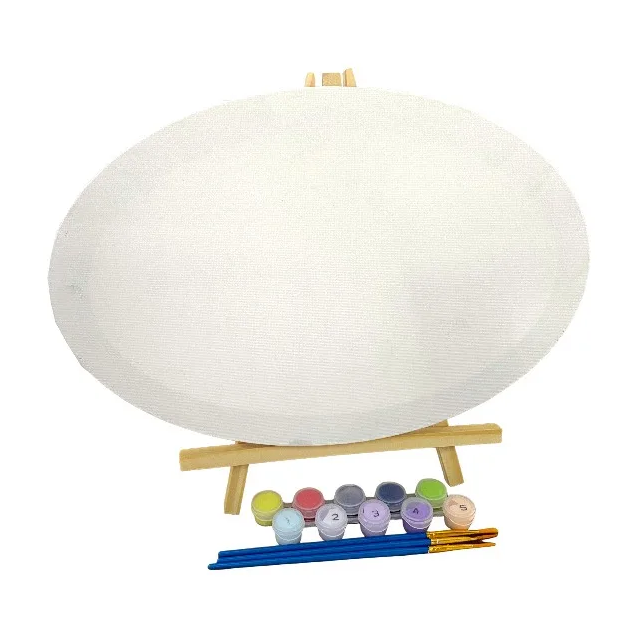
JDYA ART stands at the forefront of crafting artistic masterpieces, providing a comprehensive range of art essentials tailored to fulfill diverse creative needs. Specializing in high-quality stretched canvases, canvas rolls, and easels, along with intricate paint-by-numbers kits and durable stretcher bars, our offerings are designed to inspire and support your artistic journey. Our meticulously crafted frames, made from imported pine wood and primed with pure white acrylic, ensure longevity and aesthetic appeal. As an industry-leading oval canvas factory, JDYA ART empowers artists to create without constraints, bringing visions to life with precision and passion.
Post time: 2025-03-12 11:35:02