


Understanding Pastel Colors in Acrylic Painting
Pastel colors are characterized by their light, soft, and muted tones. These gentle hues create a calming and serene effect, making them a popular choice for artists and designers. The secret to achieving pastel colors lies in the balance between vibrancy and subtlety, often requiring a nuanced approach to color mixing.
Definition and Characteristics of Pastel Colors
In color theory, pastel colors are typically produced by adding white to a pure pigment, resulting in a lighter version of the color. The term pastel refers to the lightness of these hues. They have a high brightness and a low saturation, making them easy on the eyes while still maintaining the integrity of the original color.
The Appeal of Pastel Colors
Pastel colors are favored for their versatility and ability to create a soothing atmosphere. They are widely used in interior design, fashion, and art to evoke feelings of tranquility and elegance. Artists often incorporate pastels into their work to add depth and dimension without overpowering the composition.
Basic Acrylic Color Mixing Techniques
mixing acrylic paint involves a combination of technique, patience, and understanding of color theory. Achieving pastel colors requires careful blending and the right proportions of primary colors and white.
Essential Supplies for Mixing Acrylics
- Acrylic paints (primary colors and titanium white)
- Palette or mixing surface
- Palette knife or paintbrush
- Water and mixing medium
- Canvas or suitable painting surface
Mixing Process
Begin by dispensing a small amount of each primary color onto your palette. Use titanium white to lighten these colors gradually. Using a palette knife or paintbrush, start with the lightest color and slowly introduce the darker shade until you achieve the desired pastel tone. Consistency in mixing is key to ensuring uniformity in color.
Tools and Materials for Mixing Pastel Colors
Choosing the right tools and materials can significantly affect the quality and ease of your color mixing process. Quality paints and tools can make a difference in achieving the perfect pastel hue.
Selecting Quality Acrylic Paints
Opt for high-quality acrylic paints that offer rich pigmentation and smooth consistency. When purchasing from a wholesale supplier or manufacturer, ensure that the paints are recognized for their colorfastness and blendability.
Using Appropriate Mixing Tools
While palette knives are often preferred for their precision in mixing, brushes can also be effective depending on personal preference. Both tools have their unique advantages in achieving different textural effects in pastel painting.
The Role of Titanium White in Pastel Mixing
Titanium white is crucial in creating pastel colors. It acts as a lightening agent that can turn any vibrant hue into a soft and gentle pastel shade.
Why Titanium White?
Known for its opacity and brightness, titanium white effectively mutes the intensity of colors without altering their intrinsic properties. It helps maintain the color’s temperature and hue while transforming it into a pastel version.
Proportions and Ratios
When mixing titanium white with other colors, a common starting ratio is 1 part color to 3 parts white. Adjust this ratio as needed based on the desired lightness of the pastel color. Various factors, such as the original color’s vibrancy and the medium used, can influence these proportions.
Experimenting with Color Ratios for Pastel Shades
Working with color ratios is fundamental when mixing pastels. Even small adjustments in the ratios can significantly impact the resulting hue and its pastel quality.
Understanding Color Temperature and Value
Color temperature refers to the warmth or coolness of a color, which is crucial in maintaining harmony in pastel compositions. When mixing, consider how the original color's temperature will be affected by the addition of white, and adjust accordingly.
Achieving Balance
Pastel colors should maintain a balance between lightness and saturation. Use a consistent method of adding white and re-assessing the mixture. Adjust the ratios incrementally, and consistently test on a small canvas section to ensure accuracy.
Avoiding Common Mistakes in Pastel Mixing
Mixing pastel colors can be challenging, especially for beginners. Avoiding common pitfalls ensures that the final color retains vibrancy and clarity.
Overuse of White
Adding too much white can lead to a chalky appearance, losing the original color's intensity. Always add white gradually, mixing thoroughly between additions, and test consistently against your painting's context.
Lack of Consistency
Without maintaining consistency in your mixing process, you risk uneven color application leading to distracting variations in your artwork. Regular practice and methodical mixing will help achieve more predictable results.
Combining Acrylics with Other Media for Pastel Effects
Various art media can be combined with acrylics to enhance or modify pastel effects. Understanding the interplay between different materials allows for expanded possibilities.
Using Pastels and Chalk
Integrating soft pastels or chalk with acrylics can add texture and subtle color shifts. Ensure acrylic layers are dry before applying pastels, and seal the finished piece to protect the fragile pastel layer.
Incorporating Inks and Markers
Inks and markers provide additional means of adding detail and depth to pastel paintings. They can create contrast against the muted tones of pastels, offering a dynamic element in mixed media art.
Preserving and Framing Pastel Over Acrylic Paintings
Proper preservation and framing techniques are essential in ensuring the longevity and protection of artworks that incorporate pastels over acrylics.
Using Suitable Varnishes
Opt for varnishes specifically designed for mixed media works to avoid damaging the delicate pastel layer. Ensure that the varnish is applied evenly and that it provides a protective, non-yellowing finish.
Framing Techniques
When framing, communicate with the framer about the materials used in your work to ensure appropriate handling. Consider using a glass frame to shield pastel elements from dust and external damage.
Artistic Freedom and Creativity with Pastels
The use of pastels opens up new artistic possibilities, offering a spectrum of expression through their soft and vivid tones. Artists are encouraged to explore the unique textures and effects that pastels provide.
Finding Your Style with Pastels
Experiment with different methods and styles to find what uniquely resonates with you. Pastels allow for both subtle blending and bold strokes, providing versatility in expression.
Continuous Learning and Improvement
Enhancing your skills with pastels is a journey of continuous learning. Engage with community art groups and workshops to enrich your understanding and technique with pastel applications.
Troubleshooting Pastel Mixing Challenges
Addressing common challenges in pastel mixing will improve your results and enhance your confidence in working with these colors.
Dealing with Muddy Colors
To prevent muddy colors, mix with a clean palette and avoid over-blending colors. Keep your mixing tools and color samples clean to maintain the purity of pastel tones.
Maintaining Color Integrity
Monitor the saturation levels and adjust color ratios to maintain vibrancy. If a color appears too dull, introduce small amounts of other hues to regain its richness.
JDYA ART Provide Solutions
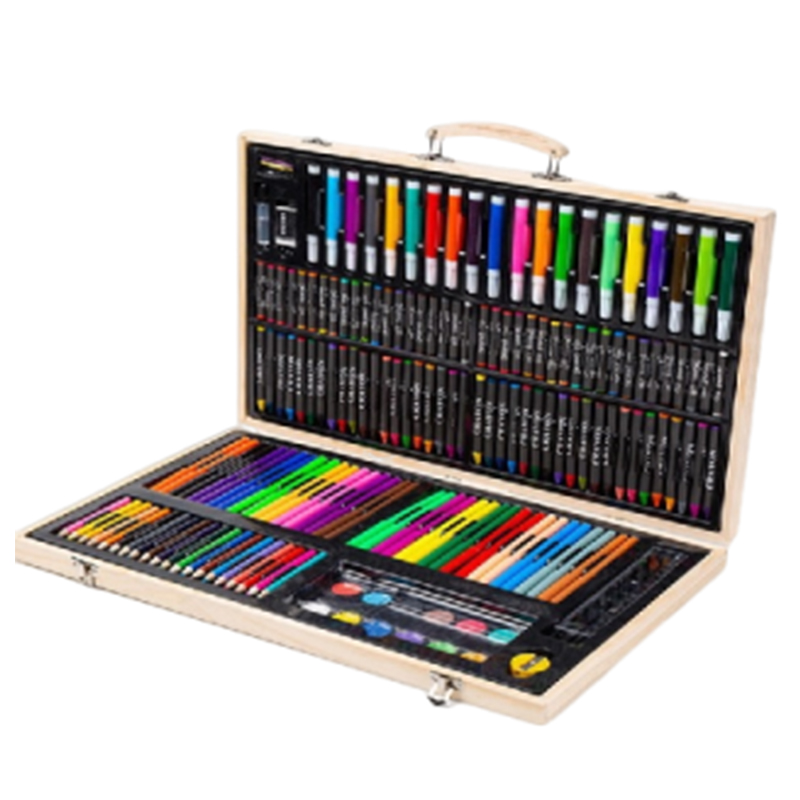
JDYA ART specializes in providing high-quality acrylic paints and art materials necessary for mastering pastel color mixing. As a leading supplier, JDYA ART offers a diverse range of products, including titanium white and specialized varnishes, available in bulk through our trusted wholesale channels. Our commitment to quality ensures artists achieve vibrant and long-lasting pastel colors with ease. Through our network of manufacturers and suppliers, artists can confidently explore their creativity, supported by materials designed for excellence in pastel artwork.
Post time: 2025-07-10 13:14:06